
Enlarged prostate natural remedies offer men a safe and effective way to manage symptoms of benign prostatic hyperplasia (BPH), one of the most common conditions associated with aging. The good news is that simple lifestyle adjustments can significantly improve urinary function, reduce inflammation, and enhance overall quality of life.
In this practical guide, we explore the most effective natural approaches—from nutrition, exercise, and stress management to powerful herbs and supplements—while highlighting the benefits of Mor Prostamine as a trusted addition to a comprehensive men’s health routine
Why are natural practices a core part of management?
Natural care is not merely an alternative to medications; it is a cornerstone in managing an enlarged prostate and improving men’s quality of life. These practices work synergistically on several levels: they help reduce chronic inflammation—a key driver of symptom flare-ups—while also supporting better blood flow to delicate tissues including the prostate and bladder, which translates into healthier urinary function.
In addition, a healthy lifestyle promotes natural hormonal balance, particularly around testosterone, which has a direct impact on prostate and sexual health. These practices can also reduce the need for continuous reliance on pharmaceuticals, making them a safer, long-term strategy.
When these habits are combined with effective herbal supplements such as Mor Prostamine, you can gain greater control over bothersome symptoms like nocturia, weak urinary stream, and the sensation of incomplete bladder emptying. Blending smart habits with targeted supplementation offers a balanced approach that addresses both root causes and symptoms, providing lasting comfort and stability.
Best foods to help prevent enlarged prostate
A healthy dietary pattern is a key pillar of natural enlarged prostate treatment. Evidence shows that nutrient-dense foods and plant antioxidants help lower inflammation and support urinary function. Choosing the right foods not only protects the prostate but also strengthens immunity and overall well-being. Below are expert-recommended options to support prostate health and reduce related problems.
Tomatoes and watermelon
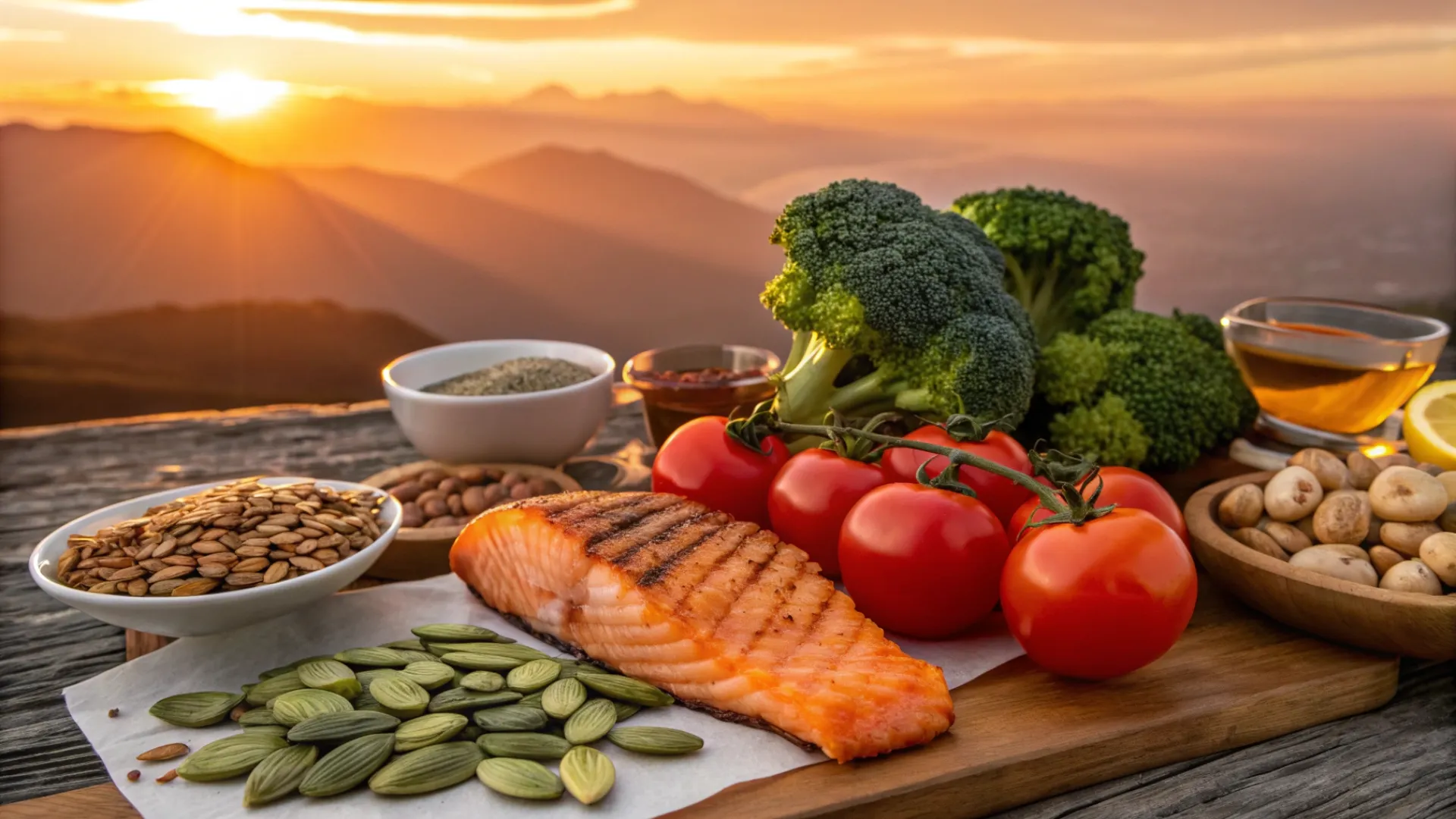
Tomatoes and watermelon are rich in lycopene, a powerful antioxidant that helps protect prostate tissue from inflammation and unhealthy changes. Studies suggest that regular intake of cooked tomatoes or watermelon juice may lower BPH risk and support urinary health.
Pumpkin seeds and nuts
Pumpkin seeds, walnuts, and almonds are top foods for prostate wellness. They are excellent sources of zinc, essential for normal prostate function. Zinc supports androgen production and immune balance, making it a key nutrient for BPH prevention and symptom relief.
Fatty fish
Salmon, sardines, and mackerel provide omega-3 fatty acids that help quell systemic inflammation. Lowering inflammation is fundamental for easing BPH symptoms. Omega-3s also support cardiovascular health and circulation—benefits that extend to men’s health overall.
Cruciferous vegetables
Broccoli, cauliflower, and cabbage are rich in phytochemicals that aid detoxification and dampen inflammation. Their sulfur-containing compounds are linked to better prostate resilience, making these vegetables a smart staple for men aiming to protect prostate health.
Whole grains and legumes
Whole oats and whole wheat, along with lentils and beans, deliver abundant fiber. Fiber improves digestion and reduces pressure on the bladder, which can ease BPH-related symptoms such as nighttime frequency or incomplete emptying.
Foods to limit
- Excess saturated fat and frequent red meat: may worsen inflammation and symptoms.
- Ultra-processed and fried foods: disrupt metabolic balance and heighten inflammatory responses.
- Simple sugars and sodas: can irritate the bladder and increase nocturia.
- Late caffeine and spicy foods (for some): may aggravate urgency and bladder sensitivity.
Smart hydration
Steady hydration supports bladder function and reduces irritation. Sip water throughout the day, but cut back within two hours of bedtime to reduce nighttime urination. Avoid sugary drinks and evening stimulants.
The fiber–constipation connection
Constipation increases pelvic pressure on the bladder and prostate. Raise your intake of soluble fiber (oats, legumes, apples) and water; this combination eases urgency and promotes regularity.
Healthy weight and BPH
Excess weight fuels low-grade inflammation and hormonal imbalance, which can worsen an enlarged prostate. Losing 5–10% of body weight—when appropriate—is associated with meaningful improvements in symptoms and inflammatory markers.
Exercise: which routines help most?
A blend of aerobic training, resistance work, and pelvic-floor exercises offers the strongest support for prostate and circulatory health.
Aerobic exercise
Brisk walking, swimming, or cycling (30–40 minutes, 4 times weekly) to enhance blood flow, support weight control, and reduce stress.
Resistance training
Body-weight routines or light weights (2–3 sessions weekly) to maintain muscle mass and insulin sensitivity—factors that indirectly ease symptoms.
Pelvic-floor (Kegel) exercises
Strengthen the muscles that control urination. Contract pelvic-floor muscles for 5 seconds, then relax for 5 seconds. Repeat 10–15 times, three times daily. Consistency improves leakage control and urgency.
Sleep and stress management
Deep sleep (7–8 hours) balances hormones and tames inflammation. Practical steps: keep consistent bed/wake times, dim lights before bed, avoid screens and caffeine late. Try 10 minutes of breathwork or meditation daily to curb stress that can aggravate enlarged prostate symptoms.

Helpful herbs and natural ingredients
- Saw palmetto: traditionally used to support urinary flow and reduce nighttime urgency.
- Pumpkin seeds: rich in zinc and phytochemicals that support prostate function.
- Nettle: may help relieve urinary symptoms.
- Green tea & turmeric: natural antioxidants that lower inflammation and promote overall health.
Mor Prostamine: Targeted support for prostate health
Make the smart step part of your daily routine. Mor Prostamine combines premium herbal extracts with key micronutrients to support prostate health and ease BPH symptoms. Its formula—including saw palmetto, Pygeum africanum, zinc, and antioxidants—delivers a balanced profile of efficacy and long-term safety.

- Why Mor Prostamine? A balanced formula targeting urinary discomfort while supporting natural flow.
- When to use it? As part of a comprehensive plan with diet, exercise, and Kegels.
- Typical use: 1–2 capsules daily after meals with water (follow label directions and consult your clinician as needed).
Important: Consult your healthcare provider if you take long-term medications (e.g., anticoagulants) or have special health conditions. Supplements complement medical care; they do not replace it.
Habits that can worsen symptoms—avoid them
- Smoking and alcohol: impair circulation and irritate the urinary tract.
- Prolonged sitting and holding urine: increase pressure on the bladder and prostate.
- Late caffeine and stimulants: raise urgency and nighttime urination.
- Ignoring constipation: adds pelvic pressure and worsens symptoms.
- Skipping medical follow-ups: may delay addressing issues that need professional care.
Smart prevention after 40
Adopt a balanced lifestyle early, maintain a healthy weight, exercise consistently, and discuss age-appropriate screening with your clinician based on personal and family history. Early prevention lowers the chance of symptom progression and boosts long-term quality of life.
Quick action plan (practical summary)
- Daily: 30–40 minutes of brisk walking + Kegels 3×/day + 6–8 cups of water (reduce in the evening) + one plate rich in vegetables and fiber.
- Weekly: 2 sessions of light–moderate resistance training + 2 meals of fatty fish + review caffeine intake.
- Supplements: Add Mor Prostamine after meals as directed.
FAQs
Do natural practices alone cure an enlarged prostate?
They can significantly improve symptoms and strongly support prostate health—especially with consistency. However, persistent or severe symptoms still require medical evaluation.
How long until I notice improvements?
Men typically observe gradual changes within 4–6 weeks when they commit to nutrition, exercise, pelvic-floor training, and a supportive supplement such as Mor Prostamine.
Do herbal supplements have side effects?
They are generally well tolerated at recommended doses. A small number of people may experience mild effects. If you take chronic medications, consult your clinician.
Which daily habit most worsens symptoms?
Late caffeine, inactivity, and constipation are common triggers for urgency and nighttime urination.
Conclusion
Managing an enlarged prostate starts with lifestyle: balanced nutrition, regular exercise, sound sleep, and smart hydration—reinforced with thoughtful herbal support. Make Mor Prostamine part of your daily routine to accelerate progress and maintain lasting comfort and confidence.