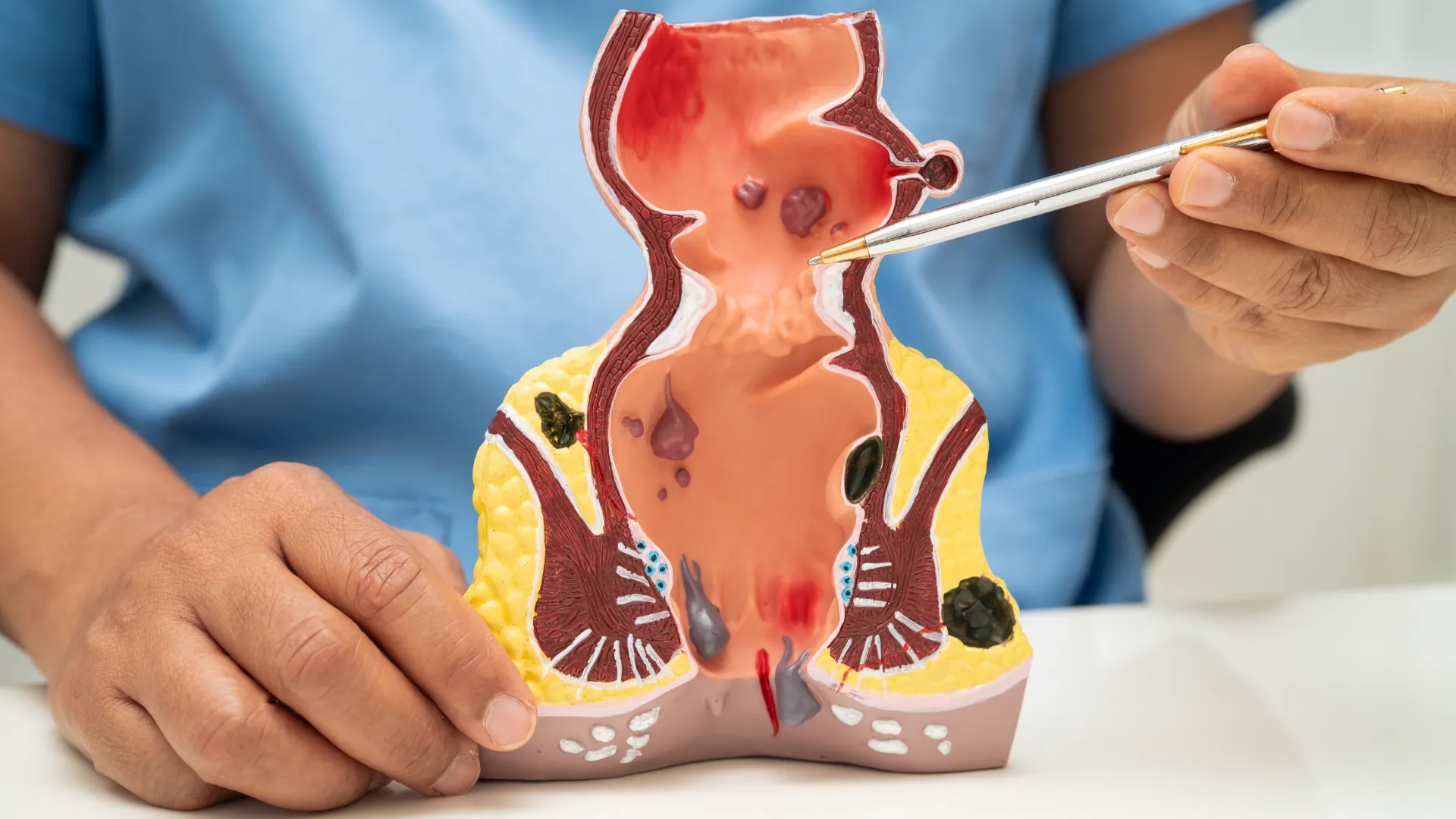
Hemorrhoid treatment is one of the most searched health topics due to the widespread nature of this troublesome condition that affects day-to-day quality of life. Hemorrhoids can cause pain, itching, and difficulty during bowel movements, making the search for effective solutions essential for comfort and overall well-being.
By understanding the causes and symptoms of hemorrhoids, you can choose the best hemorrhoid treatment—whether medical therapies or natural approaches that help relieve symptoms and prevent progression. In this article, we present the causes, signs, and the most important natural and medical treatments for this condition in a simple, evidence-informed way.
Here, we review the main causes of hemorrhoids, the warning symptoms to watch for, and the best hemorrhoid treatment options—both medical and natural—alongside practical tips for prevention.
What Are Hemorrhoids?
Hemorrhoid treatment addresses a common health issue affecting both men and women, especially with modern lifestyles marked by low activity and fiber-poor diets. Hemorrhoids are swollen veins around the rectum or anus that may lead to bothersome symptoms such as bleeding, pain, itching, and straining. Although common, early diagnosis and appropriate treatment steps can significantly ease symptoms and help prevent complications like anemia or recurrent infections.
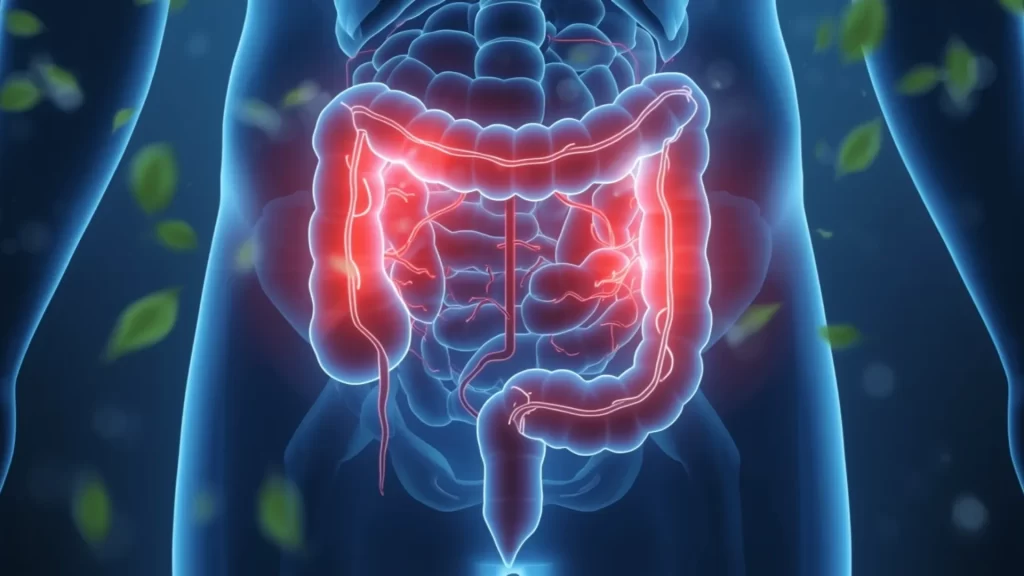
Approaches to hemorrhoid treatment range from natural strategies to medical care—starting with dietary adjustments and increased fiber intake, through regular exercise and better daily habits. Research indicates these simple measures are effective not only for symptom relief but also for preventing recurrence. In this article, we highlight the causes, symptoms, and top natural and medical treatments for hemorrhoids, with practical tips for maintaining digestive health and preventing chronic constipation—one of the leading triggers of hemorrhoids.
Causes of Hemorrhoids
Multiple factors can lead to the development of hemorrhoids, most of which increase pressure on the rectal and anal veins. Some are tied to daily habits that can be modified, while others relate to health conditions or natural states like pregnancy. Below are the most important causes explained in more detail.
Chronic Constipation or Persistent Diarrhea
Constipation is one of the most common contributors to hemorrhoids; repeated straining during bowel movements stretches the rectal veins. Conversely, ongoing diarrhea irritates the area and increases the risk of inflammation and bleeding.
Prolonged Sitting
Sitting for long periods—especially on hard surfaces or during desk work—adds extra pressure to the pelvic and rectal area. Low activity impairs normal circulation and raises the likelihood of hemorrhoid formation.
Heavy Lifting
Exercise or jobs requiring frequent heavy lifting can suddenly increase pressure on rectal veins. Over time, this pressure may dilate the veins and promote hemorrhoid development.
Overweight and Obesity
Excess weight raises pressure on the pelvis and abdomen, which directly affects rectal veins. Obesity is a major risk factor that increases both the chance of developing hemorrhoids and the severity of symptoms.
Pregnancy
During pregnancy, the growing uterus compresses pelvic and rectal veins. Hormonal changes also increase vascular relaxation, making women more prone to hemorrhoids during pregnancy or shortly after delivery.

Other Factors
Additional contributors include low-fiber diets, unhealthy eating patterns, aging, and even genetic predisposition. Together they underscore the importance of a healthy lifestyle for prevention and symptom control.
Hemorrhoid Symptoms
Symptoms vary by type of hemorrhoid, but the most notable warning signs include:
- Rectal bleeding during or after bowel movements.
- Pain or burning around the anus.
- Itching or irritation in the rectal area.
- Swelling or a palpable lump around the anal opening.
- Mucous discharge that may soil underwear.
Natural Ways to Treat Hemorrhoids
Many cases of hemorrhoids can be managed with natural methods and lifestyle changes, including:
- Increase dietary fiber: Fruits, vegetables, and whole grains help soften stool and reduce venous pressure.
- Hydrate consistently: Adequate fluids help prevent constipation.
- Warm sitz baths: Warm water soothes pain and inflammation.
- Exercise: Daily activity improves circulation and reduces constipation.
- Avoid prolonged sitting: Move every hour to reduce rectal pressure.
Hemorrhoid Treatment in Clinical Practice
If symptoms persist or worsen despite home measures, more specialized medical options may be required. Treatments vary by severity and hemorrhoid type. Below are the main options:
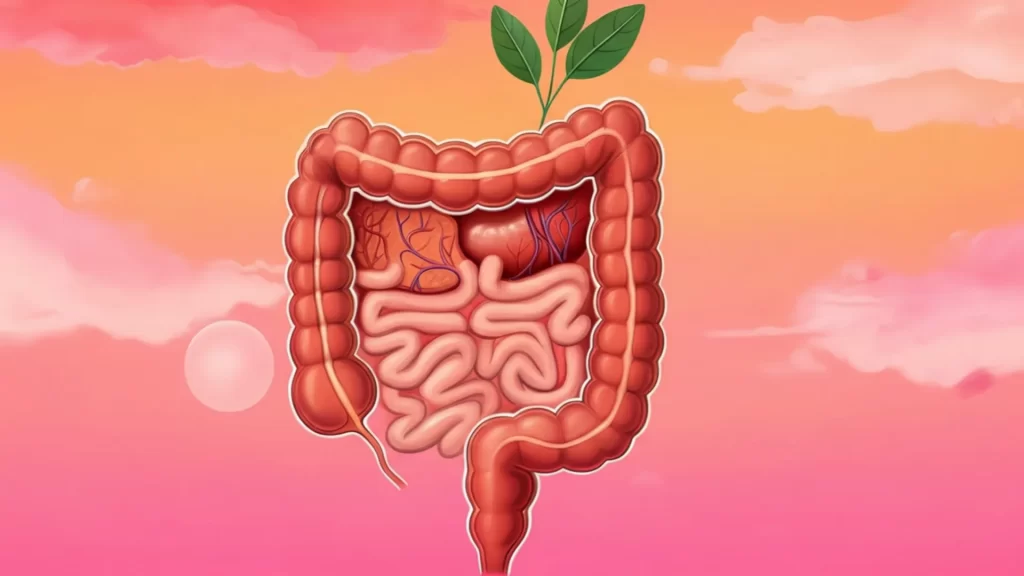
Topical Medications
Ointments, creams, and suppositories are common early treatments for hemorrhoids. They often contain anti-inflammatory agents or local anesthetics that reduce pain, itching, and swelling. Some include vasoconstrictors to lessen bleeding and speed healing.
Oral Medications
Oral supplements and medications can improve circulation and strengthen vein walls. Chief among them are diosmin and hesperidin, which enhance venous tone and reduce congestion. These are helpful adjuncts in moderate cases or when varicose veins coexist with hemorrhoids.
Minimally Invasive Procedures
When drug therapy is insufficient, non-surgical procedures may be advised, such as rubber-band ligation, which cuts off blood supply so the hemorrhoid shrinks and detaches. Other options include sclerotherapy (injecting a solution to shrink the hemorrhoid) or infrared coagulation. These are quick, clinic-based procedures that usually don’t require general anesthesia.
Surgery
For severe or recurrent cases unresponsive to prior options, surgery may be indicated. Techniques include conventional hemorrhoidectomy or less invasive stapled hemorrhoidopexy. While surgery can be highly effective, it is typically reserved as a last resort due to postoperative pain and recovery time.
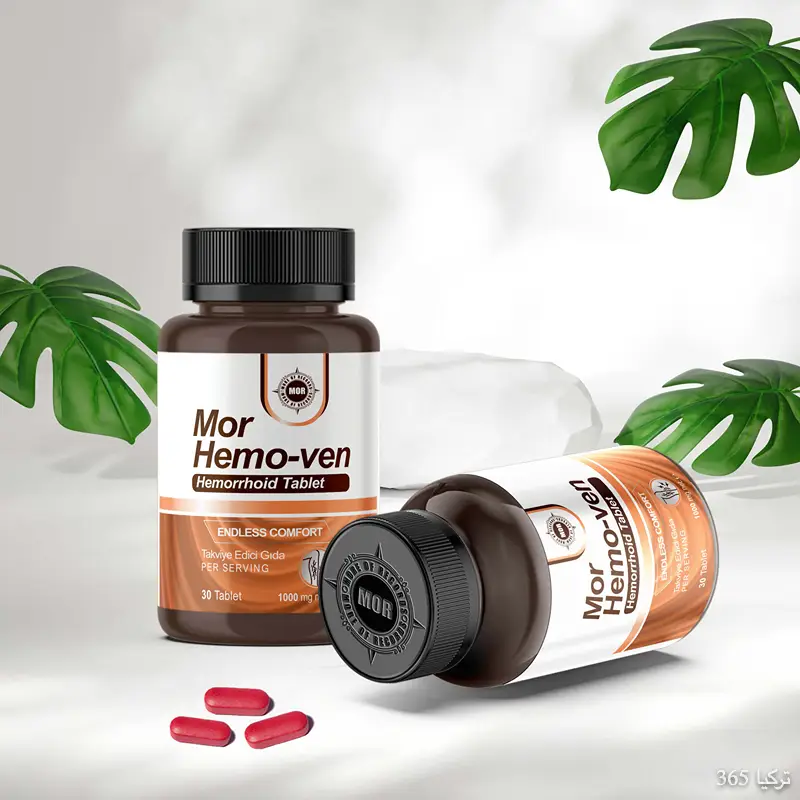
Mor Hemo-Ven: Targeted Support for Hemorrhoids
Mor Hemo-Vein is a natural herbal supplement formulated specifically to support venous health and address hemorrhoid problems. It combines plant extracts rich in flavonoids such as diosmin and hesperidin to strengthen vessel walls, improve microcirculation, and reduce swelling and inflammation in the rectal and anal area.
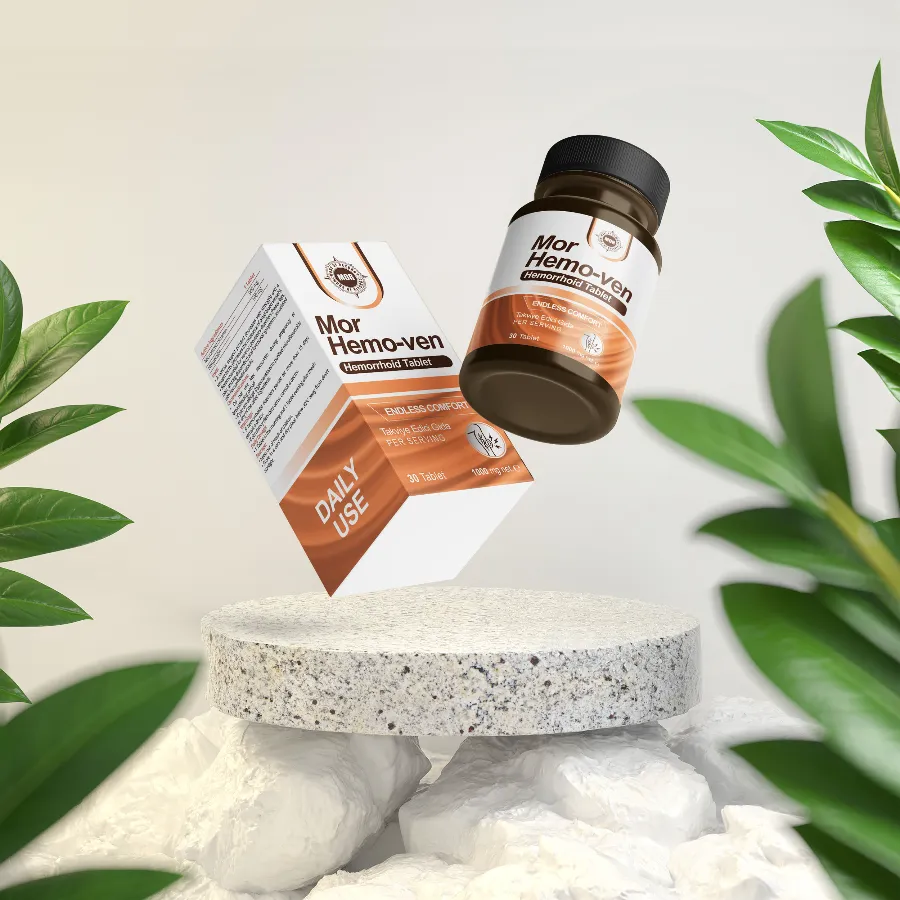
Thanks to its effective formulation, Mor Hemo-Ven helps relieve pain and itching, reduce bleeding, and restore everyday comfort. It’s a trusted, natural option for people with hemorrhoid symptoms who want a safe solution alongside healthy lifestyle changes. Discover Mor Hemo-Vein now and take a practical step toward easing symptoms and enjoying greater comfort.
Prevention of Hemorrhoids
Prevention is key to avoiding pain and complications. You can lower your risk by:
- Following a high-fiber diet.
- Drinking adequate water daily.
- Exercising regularly.
- Avoiding prolonged sitting or standing.
- Addressing constipation promptly.
When to See a Doctor
Although many hemorrhoid cases can be managed with simple home care and lifestyle changes, some symptoms may point to a more serious issue requiring immediate medical attention. Ignoring these signs can worsen the problem or cause complications such as anemia or infection. Consult your doctor if you experience any of the following:
- Severe or persistent bleeding.
- Pain that does not improve with home treatments.
- A hard, painful lump near the anus.
- Recurring symptoms that disrupt daily life.
When is surgery necessary for hemorrhoids?
Surgery is considered only for severe cases or when symptoms persist despite home care and conservative medical treatments.
Can hemorrhoids be treated at home?
Yes. Many cases can be managed with lifestyle changes such as increasing fiber, drinking water regularly, and taking warm sitz baths to relieve symptoms.
Does pregnancy increase the risk of hemorrhoids?
Yes. Pregnancy increases pressure on pelvic and rectal veins, especially in the later months, raising the risk of hemorrhoids.
Do supplements like Mor Hemo-Vein help?
Yes. Supplements such as Mor Hemo-Vein can strengthen blood vessels and improve circulation, reducing symptoms and supporting a natural, safe approach to hemorrhoid treatment.
How can hemorrhoids be prevented?
Prevention involves a fiber-rich diet, adequate hydration, regular exercise, and avoiding prolonged sitting or standing.
Conclusion
Effective hemorrhoid treatment relies heavily on lifestyle, nutrition, and healthy daily habits. While natural measures can substantially ease symptoms, medical care may be necessary in advanced cases. Prevention remains the best strategy through mindful eating, proper hydration, and regular physical activity.