Varicose vein treatment is an important health topic given how common this condition is among both men and women. Varicose veins are dilated, twisted superficial veins caused by weakness in the vein walls or valves, leading to blood pooling and visibly bulging veins under the skin. Beyond cosmetic concerns, they can cause pain, leg heaviness, and swelling—and may progress to more serious complications such as skin ulcers or thrombosis.
In this article, we present—in clear, accessible language—the main causes of varicose veins, the symptoms to watch for, and the most effective varicose vein treatment options, from natural measures to modern medical therapies, along with practical prevention tips to protect circulatory health.
What Are Varicose Veins?
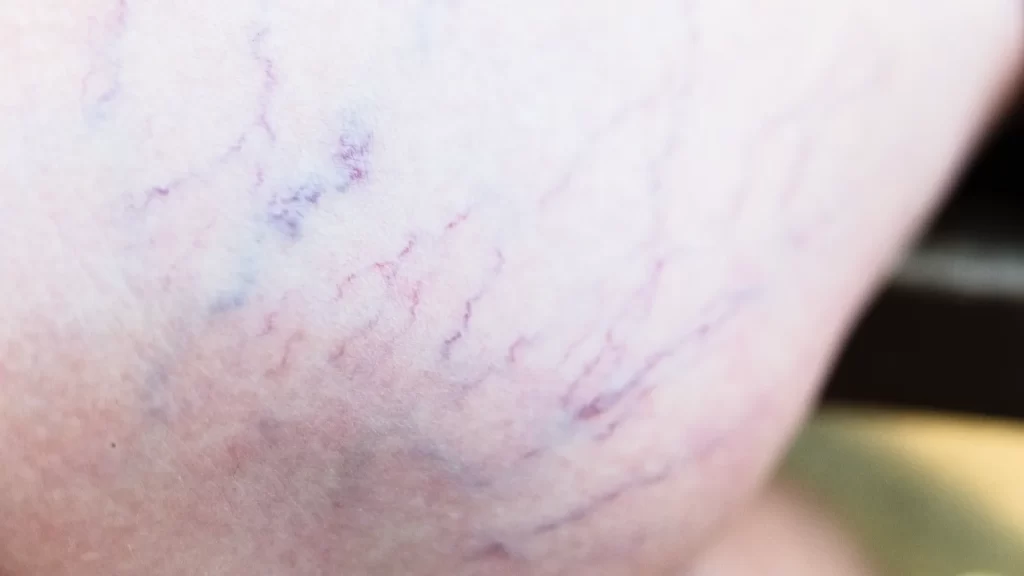
Varicose veins arise when the tiny valves inside veins fail to function properly. These valves normally prevent blood from flowing backward. When they weaken or become damaged, blood pools within the veins, causing them to stretch and bulge. Varicose veins most often appear in the legs and thighs due to prolonged standing pressure and gravity.
Causes of Varicose Veins
Several factors contribute to the development of varicose veins, including:
- Genetics: a family history of varicose veins.
- Aging: vein walls naturally weaken with age.
- Pregnancy: increased pressure from the uterus on leg veins.
- Prolonged standing or sitting.
- Overweight and obesity.
- Low activity and poor circulation.
Symptoms of Varicose Veins
Symptoms of varicose veins develop gradually and vary in severity. Some people experience minor discomfort, while others have bothersome symptoms that merit medical care. Below are the most common signs with a brief explanation of each:
Bulging, Twisted Veins
The most obvious sign is enlarged, tortuous veins visible beneath the skin with a blue or purple hue—typically on the legs and thighs. This is the hallmark of the condition.
Heaviness or Leg Pain
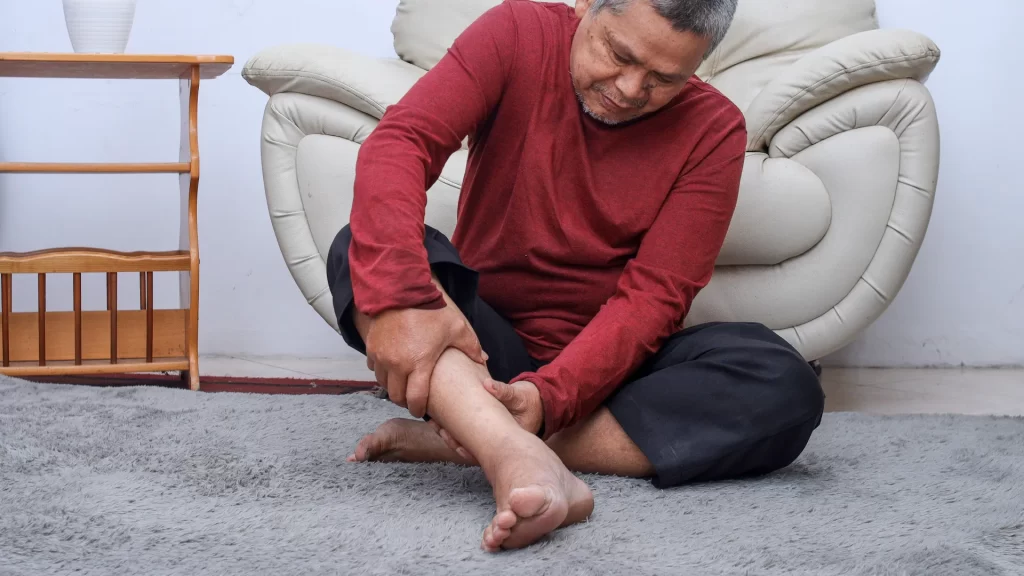
Many patients feel heaviness or pressure in the legs, especially after standing for long periods. This discomfort often worsens toward the end of the day or after exertion.
Ankle or Foot Swelling
Swelling is common and results from poor venous return. In chronic cases, edema becomes more noticeable around the ankles.
Itching or Irritation
Blood pooling can irritate the skin over affected veins, causing itching and dryness; at times, this can progress to dermatitis.
Skin Discoloration
In long-standing or neglected cases, compromised circulation can darken the skin (brownish changes) around the affected area—an early sign of potential venous ulcers.
Complications of Untreated Varicose Veins
While many cases are mild, ignoring treatment can lead to complications such as:
- Leg ulcers due to poor blood flow.
- Recurrent vein inflammation (phlebitis).
- Superficial venous thrombosis.
- Cosmetic concerns that impact mental well-being.
Natural Ways to Manage Varicose Veins
Many cases of varicose veins can be improved with simple lifestyle changes, such as:
- Exercise: Walking or swimming to enhance circulation.
- Leg elevation: Helps drain blood and reduce swelling.
- Compression stockings: Effective for easing pain and edema.
- Weight reduction: Lowers pressure on the veins.
- Avoid prolonged standing: Take frequent movement breaks.
Medical Treatments for Varicose Veins
When preventive and natural measures don’t sufficiently control varicose vein symptoms, medical intervention becomes important to treat veins and prevent complications. Options range from medications and supplements to minimally invasive procedures and, in advanced cases, surgery.
Medications and Supplements
In early management, clinicians may recommend agents that improve venous tone and microcirculation. Notably, flavonoids such as diosmin and hesperidin help strengthen vein walls and reduce permeability, easing swelling and the sensation of heaviness. Topical creams or gels can also provide short-term pain and inflammation relief.
Minimally Invasive Procedures
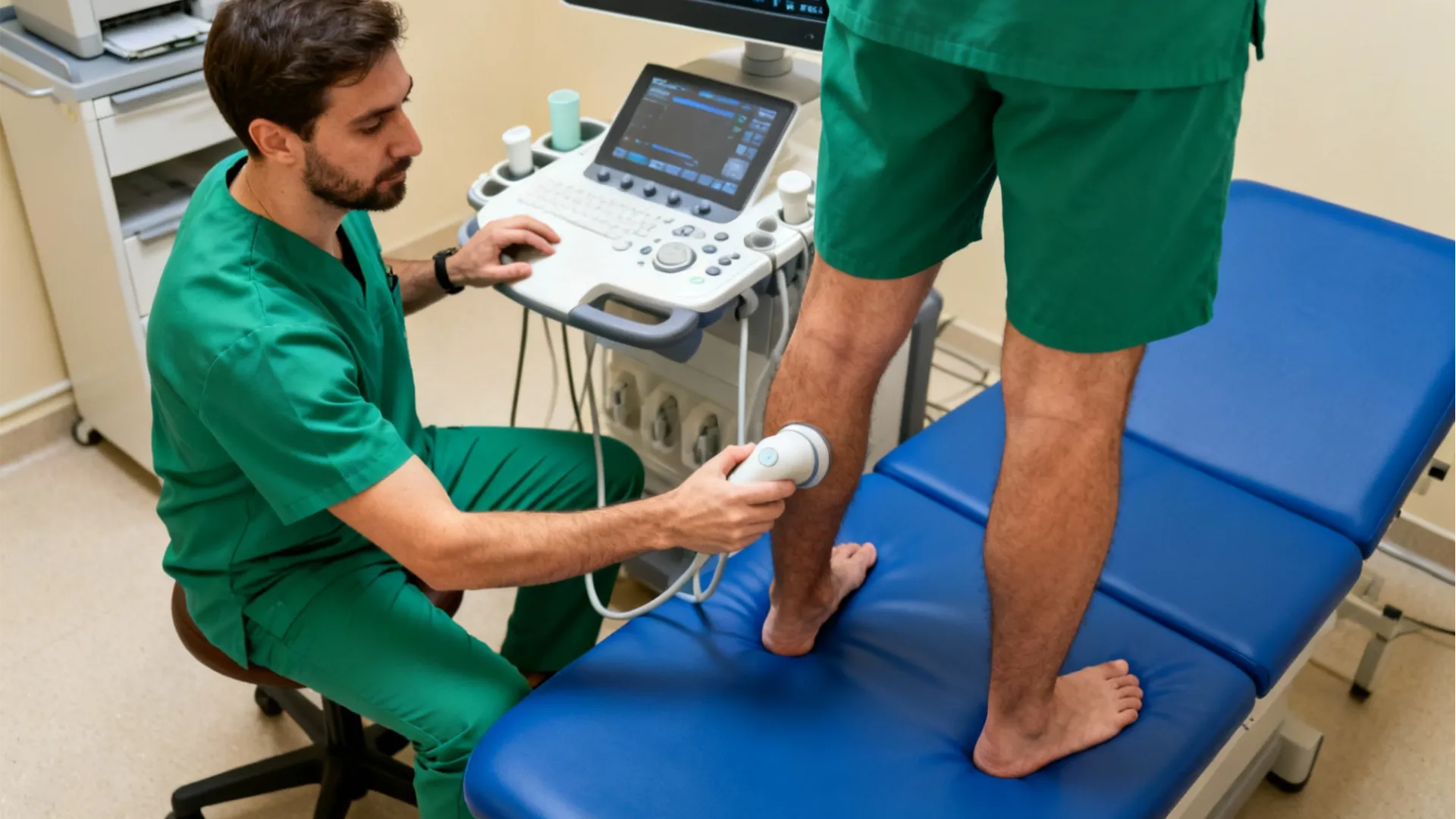
If medication is insufficient, minimally invasive techniques can close diseased veins without traditional surgery. Key options include:
- Sclerotherapy: Injection of a sclerosant causes the vein to collapse and seal, redirecting blood to healthy veins.
- Endovenous laser therapy (EVLT): A targeted laser closes the vein from within—quick, with minimal discomfort.
- Radiofrequency ablation (RFA): Thermal energy seals damaged veins and improves circulation.
These approaches are effective and safe, usually performed in outpatient settings with very short recovery times compared to surgery.
Surgical Options
For advanced disease or when varicose veins cause severe pain or complications (ulcers, bleeding), surgery may be the best choice. Techniques include:
- Vein stripping: Removing the diseased vein via small incisions.
- Ligation: Tying off damaged veins to reroute blood flow.
- Modern techniques: Such as endoscopic procedures that reduce incision size and speed recovery.
Although surgery can be highly effective in severe cases, it’s typically reserved as a last resort after other treatments, as recovery is longer and post-operative discomfort can occur.
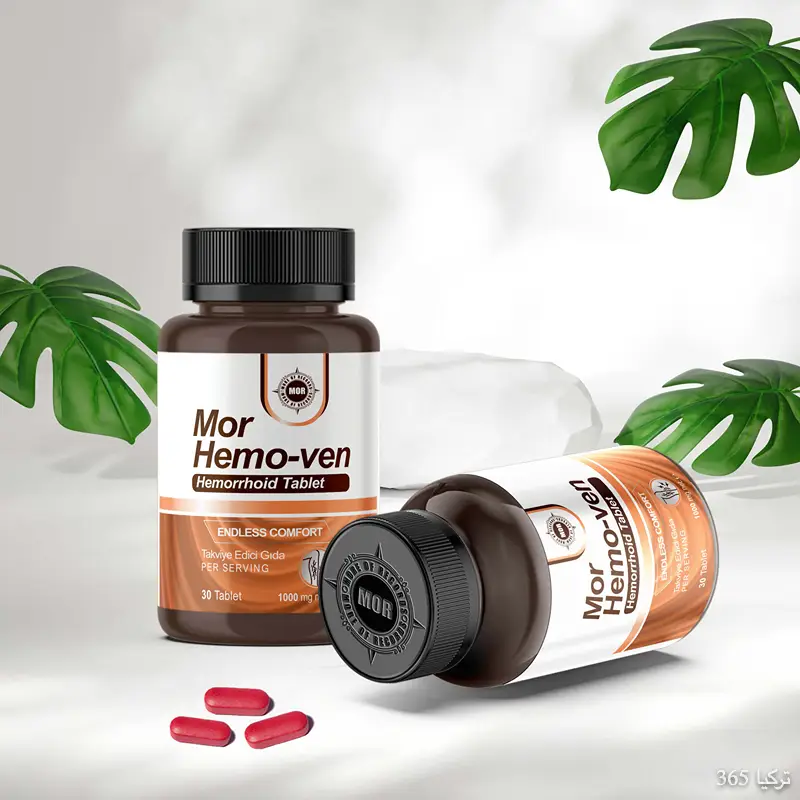
Mor Hemo-Vein: Natural Support for Vein Health
Mor Hemo-Vein is a natural herbal blend rich in flavonoids like diosmin and hesperidin, formulated to support healthy veins and capillaries. It helps decrease inflammation, improve venous elasticity, and enhance microcirculation—making it a smart choice for those managing varicose veins.
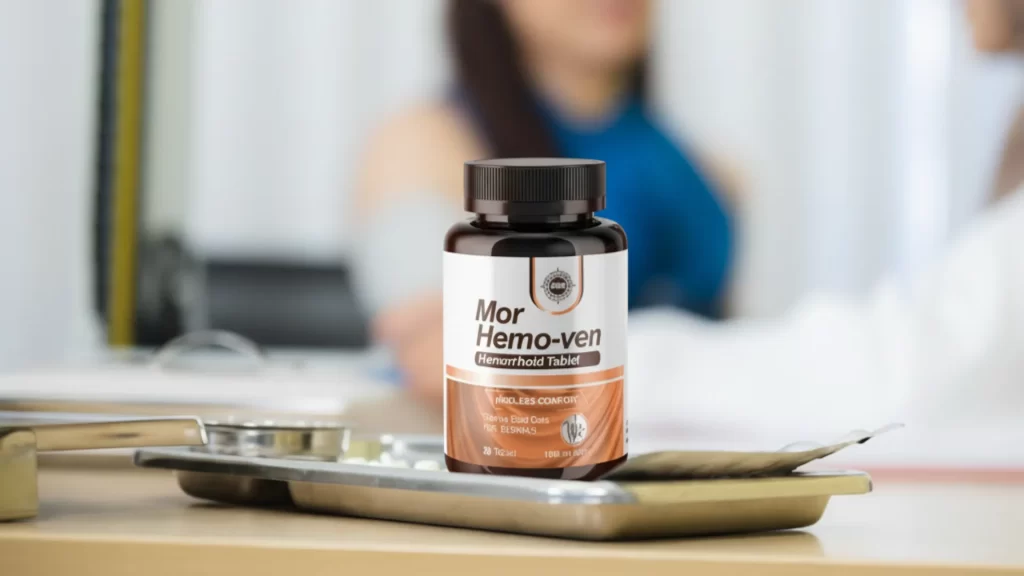
Thanks to its natural composition, Mor Hemo-Vein can ease pain and swelling, reduce leg heaviness, and help slow disease progression. Discover Mor Hemo-Vein now and take a practical step toward healthier veins and greater daily comfort.
Preventing Varicose Veins
Prevention is fundamental to protecting vein health, especially for those at higher risk (e.g., prolonged standing or sitting). Adopting a healthy lifestyle greatly lowers the chance of developing varicose veins and eases symptoms in those who already have them. Key prevention measures include:
- Maintain a healthy weight: Less pressure on the legs and veins.
- Exercise regularly: Walking and swimming promote circulation.
- Avoid long periods of sitting/standing: Move frequently to prevent pooling.
- Wear compression stockings: Improve blood flow and reduce swelling.
- Eat a fiber-rich diet: Helps prevent constipation and supports vascular health.
When to See a Doctor
Although many cases can be managed with lifestyle changes and simple measures, certain symptoms may signal a more serious problem requiring prompt medical attention. Ignoring these warning signs can worsen the condition and increase complication risk. Seek medical care immediately if you experience any of the following:
Severe or Worsening Leg Pain
Persistent or intensifying pain may indicate a vascular blockage or clot and needs urgent evaluation.
Swelling That Doesn’t Improve with Rest
Edema typically eases with elevation. If it doesn’t, impaired circulation or deep-vein issues may be present.
Skin Ulcers
Ulcers—especially near the ankle—suggest significant venous insufficiency and a high risk of infection without medical care.
Bleeding from Affected Veins
Bleeding may occur if superficial varicosities rupture. This is an urgent situation requiring immediate medical attention.
FAQs
Are varicose veins dangerous?
Most cases aren’t dangerous, but they can cause pain and swelling. Neglecting care can lead to complications such as venous ulcers or thrombosis.
Can varicose veins be treated without surgery?
Yes. Many cases are controlled with lifestyle changes—exercise, compression stockings—and supplements that support venous tone, such as diosmin and hesperidin.
Do varicose veins affect pregnancy?
They’re common in pregnancy due to increased pelvic and leg vein pressure. They often improve after delivery, though some cases persist and need treatment.
Can varicose veins be prevented?
Prevention includes maintaining a healthy weight, regular exercise, avoiding prolonged standing, and following a fiber-rich diet.
Conclusion
Effective varicose vein treatment combines lifestyle upgrades, natural support or supplements like Mor Hemo-Vein, and evidence-based medical procedures when needed. Early attention doesn’t just improve appearance—it also prevents serious complications and preserves healthy circulation and quality of life.