
Colon bloating is one of the most common digestive issues, causing an uncomfortable feeling of fullness and discomfort. It may be accompanied by abdominal pain, excessive gas, and irregular bowel movements, which directly affect day-to-day quality of life.
Colon bloating can arise from several factors, including an unhealthy diet, psychological stress, or reduced digestive function. Understanding the causes and adopting a healthy lifestyle with natural remedies can significantly ease symptoms and help keep them under control.
Causes of Colon Bloating
The causes of colon bloating span dietary, behavioral, and psychological factors, in addition to certain chronic conditions that affect digestive function. Recognizing these causes helps you manage the problem more effectively—whether by lifestyle adjustments or through natural and medical treatments. It’s important to note that colon bloating is not always a passing symptom; it can be a sign of a deeper imbalance that requires early attention and care.
Unhealthy Diet
Diet is one of the most influential factors in colon bloating. Overeating foods high in saturated fats or simple sugars slows digestion and increases gas buildup in the intestines. Frequently consuming processed foods and carbonated drinks worsens symptoms and makes the colon more sensitive. In addition, a low intake of natural fiber from vegetables and fruits can cause chronic constipation, which further intensifies bloating.

Irritable Bowel Syndrome (IBS)
IBS is one of the most common disorders that cause colon bloating. People with IBS experience irregular bowel movement patterns that lead to gas buildup and a persistent bloated feeling. The condition is often linked to psychological stress or to foods that irritate the colon, such as legumes or spicy dishes. Although IBS is not considered dangerous, its impact on quality of life is significant, limiting daily activity and causing ongoing discomfort.
Stress and Psychological Strain
The connection between the mind and the digestive system is very strong—doctors sometimes call the gut the “second brain.” When exposed to continuous stress, cortisol levels rise and negatively affect bowel movement. This imbalance leads to colon spasms, gas accumulation, and more severe bloating. That’s why people under ongoing psychological pressure are more likely to experience frequent bouts of colon bloating.

Lack of Physical Activity
Physical inactivity and prolonged sitting are among the main factors that increase the risk of colon bloating. Low activity slows bowel motility, which hinders the natural release of gas. Conversely, exercising—such as walking, cycling, or yoga—improves circulation and stimulates the digestive system to function efficiently. Building regular movement into your daily routine is one of the best ways to prevent bloating and reduce its recurrence.
Symptoms of Colon Bloating
- A persistent feeling of abdominal fullness and bloating.
- Excessive gas and audible intestinal sounds.
- Abdominal pain or cramps.
- Frequent constipation or diarrhea.
- Sleep disturbances due to discomfort.
Natural Remedies for Colon Bloating
There are many natural ways to relieve colon bloating and support digestive health. These approaches go beyond medication and include lifestyle and dietary changes, along with the use of well-known herbal options. Practicing these steps daily can reduce bloating and deliver lasting comfort.
Adjusting Your Diet
Diet is the core lever for controlling colon bloating. Eating balanced meals rich in fresh vegetables, fiber-dense fruits, and whole grains helps regulate bowel movements and reduce gas buildup. It’s also important to limit processed foods, fast food, and carbonated beverages, which directly contribute to bloating. Eat slowly and chew thoroughly to reduce air swallowing during meals.
Herbal Teas
Herbs play a valuable role in soothing the colon and improving its function. Peppermint is highly effective for relaxing intestinal muscles and reducing gas. Chamomile helps calm inflammation and the nervous system, easing stress-related symptoms. Anise is known for supporting digestion and reducing bloating. Adding these herbs to your routine—whether as warm teas or herbal supplements—can make a noticeable difference in controlling colon bloating.

Regular Physical Activity
Low activity is a key driver of colon issues, while regular exercise improves bowel motility and helps release trapped gas naturally. Simple activities like brisk walking, cycling, or yoga stimulate circulation and reduce colon spasms. Even everyday habits such as taking the stairs or light stretching can noticeably reduce colon bloating.
Mor Paralax: Natural Support for Colon Health
Mor Paralax is a natural supplement designed specifically to support digestive health and ease colon bloating. Its carefully selected herbal extracts help improve digestion, reduce gas, and relieve intestinal cramps. Incorporating this supplement into your daily routine can safely and effectively restore digestive comfort.
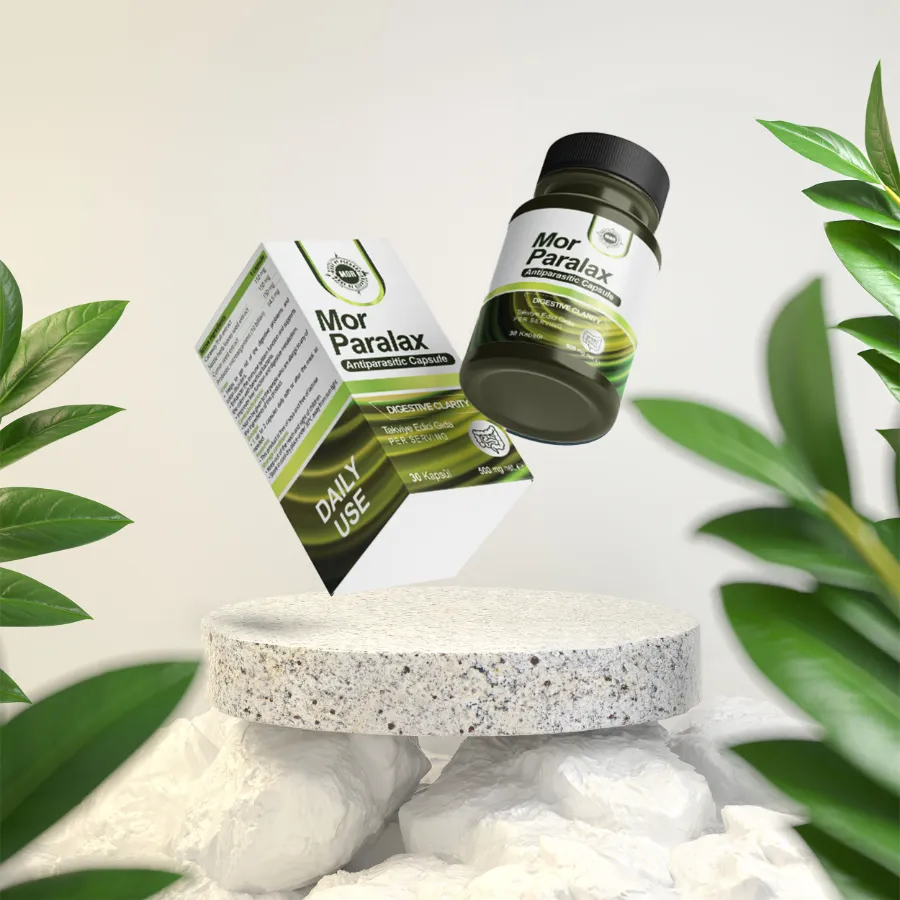
Mor Paralax Formula for Colon Bloating Relief
Mor Paralax features a natural blend of effective herbal extracts crafted to support digestive health. These ingredients help enhance digestion, reduce gas buildup, and ease intestinal cramps associated with colon bloating. Thanks to this thoughtful formula, Mor Paralax offers a natural, safe way to relieve discomfort and restore digestive ease.
Tips to Prevent Colon Bloating
- Eat slowly to reduce swallowed air.
- Avoid gas-triggering foods such as large amounts of legumes.
- Drink enough water daily.
- Manage stress with relaxation practices or yoga.
- Exercise regularly to support digestive health.
Frequently Asked Questions
How does Mor Paralax help with colon bloating?
Mor Paralax contains natural herbal ingredients that improve digestion, reduce gas, and ease cramps—helping to relieve colon bloating symptoms.
Can herbs help with colon bloating?
Yes. Herbs like peppermint and chamomile can soothe the colon and reduce gas.
Which foods make colon bloating worse?

Processed foods, carbonated drinks, large amounts of legumes, and high-fat meals can all increase bloating.
Is colon bloating dangerous?
Colon bloating is usually not dangerous, but it can be very bothersome. If it’s accompanied by bleeding or sudden weight loss, see a doctor.
Foods That Increase Colon Bloating
Some foods can noticeably increase colon bloating, especially in people with a sensitive digestive system or IBS. Identifying and limiting these foods can reduce symptoms and improve overall comfort.
Key examples include legumes such as beans, lentils, and chickpeas, which contain complex fibers that are not fully digested and lead to gas. High-fat fried foods and fast food slow digestion and promote gas buildup. Carbonated beverages and artificial sweeteners (like sorbitol and fructose) are direct contributors to bloating. Even healthy vegetables such as cauliflower, cabbage, and broccoli can cause bloating in some people when eaten in large amounts or without proper cooking.
It’s advisable to monitor your diet and avoid foods that trigger bloating, replacing them with lighter options like steamed vegetables, whole grains, and low-fructose fruits. These simple dietary swaps can make a major difference in easing colon bloating symptoms.